E-Procurement & Purchasing Management
Follow modern trends and learn more about e-procurement and purchasing management

Course content
Introduction
In today’s hyper-connected, fast-paced commercial environment, legacy corporate purchasing procedures are no longer sufficient. Organizations relying on paper-heavy processes, manual purchase orders, and fragmented vendor interactions face severe operational delays, hidden transaction expenses, and unmitigated supply chain risks. The modern answer to these systemic vulnerabilities is a robust, cloud-driven digital procurement strategy.
By harnessing the scalability of automated workflows, modern enterprise e-procurement systems transform the purchasing department from a reactive administrative silo into a proactive profit center.
This professional masterclass on E-Procurement & Purchasing Management offers an intensive, hands-on deep dive into the architectures, deployment phases, and structural optimization techniques governing digital corporate spend. From executing automated strategic sourcing models and cleaning internal customer authorization networks to analyzing cross-border supply chain risks and setting measurable supplier performance scorecards, this training delivers the practical roadmap required to cut operational overhead, secure corporate transparency, and achieve an agile, modern distribution network.
Course Objectives
By completing this advanced training masterclass, participants will be able to:
Master Enterprise E-Procurement Frameworks: Break down the technical infrastructure, operational mechanics, and structural cost-reduction metrics behind deploying advanced e-procurement systems across global corporate business units.
Architect and Launch Digital Purchasing Platforms: Design the end-to-end framework of a functional enterprise procurement architecture, detailing customer requisition interfaces, cross-department approval protocols, and dynamic multi-supplier quotation networks.
Optimize Purchasing Workflows & Security Matrices: Standardize digital procurement management by enforcing strict data validation frameworks, user authorization access privileges, and proactive enterprise risk mitigation practices.
Formulate High-Impact Strategic Procurement Plans: Align long-term corporate material sourcing trajectories with overarching business objectives through advanced benchmarking analysis, category spend visibility, and continuous improvement matrices.
Execute Data-Driven Supplier Performance Management: Utilize real-time supplier performance data to remove procurement bias, isolate supply chain vulnerabilities, and accurately classify strategic market vendors.
Leverage Alternative E-Procurement Modalities: Evaluate and select appropriate digital marketplace structures, reverse-auction systems, and electronic trading models to permanently compress transaction lifecycles and increase buying leverage.
Detailed 5-Day Course Outline
Day 1: Transitioning from Legacy Purchasing to Digital Architecture
Deconstructing Traditional Corporate Purchasing Systems: Evaluating the strategic role of historical material acquisition; uncovering invisible cost leakages in legacy quote-to-cash workflows; and identifying structural bottlenecks in manual vendor selection.
Fundamentals of Digital Procurement Networks: Defining modern enterprise e-procurement; exploring its impact on operational agility; and auditing the software, database architectures, and integrations required to host an automated spend infrastructure.
Engineering the Internal E-Requisition Ecosystem: Mapping the steps to design self-service internal customer ordering workflows; setting dynamic conditional routing rules for corporate approvals; and establishing structured e-quotation engines to accelerate RFP evaluation.
Day 2: Advanced Digital Sourcing Frameworks & Strategic Negotiation
Navigating Modern E-Procurement Delivery Modalities: Evaluating specialized B2B software architectures; comparing open-market exchanges with secure, private supplier networks; and embedding digital procurement workflows into existing ERP software.
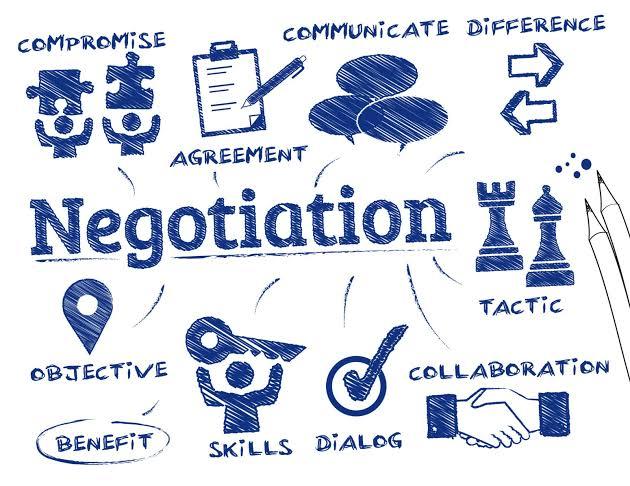
Psychological & Tactical Shifts in Digital Contract Negotiations: Moving past adversarial corporate purchasing behavior; mastering collaborative, value-focused digital communication techniques; and mapping supplier pressure points within online procurement portals.
Securing the Digital Procurement Pipeline: Mitigating data exposure liabilities; managing user access control matrices; and implementing proactive cyber-security policies across multi-jurisdictional vendor platforms.
Day 3: Workflow Integration, Compliance, and Electronic Contract Law
Splicing E-Procurement Platforms into Enterprise IT Infrastructures: Overcoming legacy database resistance; building clean automated channels for inventory management and accounts payable matching; and resolving cross-department data friction.
The Legal Framework of Electronic Corporate Transactions: Analyzing international contract law governing e-trading systems; verifying the validity of electronic signatures; and building legally binding corporate agreements through automated electronic fulfillment.
Change Management for Digital Procurement Transitions: Managing human resistance to system overhauls; designing continuous training frameworks for staff and suppliers; and scaling corporate adoption across global business entities.
Day 4: Diagnostic Benchmarking and Capital Spend Analysis
Executing the Corporate Procurement Gap Analysis: Auditing current purchasing structures against global operational benchmarks; identifying process gaps; and isolating systematic purchasing leakages.
Advanced Spend Analytics & Category Profiling: Aggregating transactional history to isolate corporate saving opportunities; using data analytics to eliminate maverick buying habits; and optimizing corporate cash allocation.
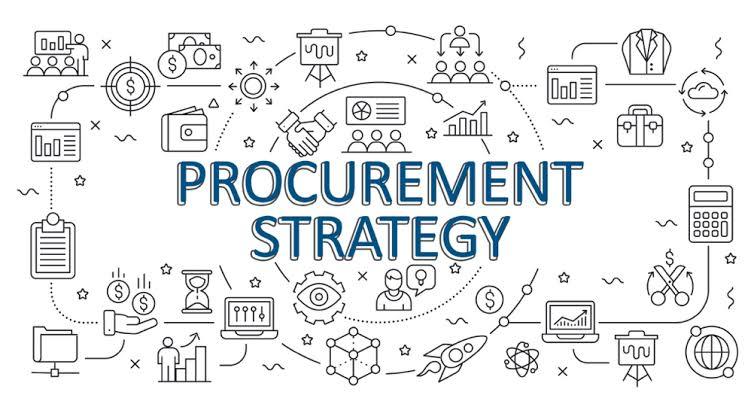
Constructing the Strategic Procurement Roadmap: Crafting long-term material acquisition blueprints that support corporate bottom lines; defining data-driven Key Performance Indicators (KPIs) for buyers; and embedding continuous improvement frameworks within material chain management.
Day 5: Elite Supplier Lifecycle Architecture & Risk Mitigation
Strategic Supplier Classification Systems: Grouping vendor populations based on financial risk exposure, business criticality, and category scarcity to protect supply chains.
Deploying Quantifiable Supplier Performance Metrics: Constructing multi-tier vendor scorecards; tracking delivery performance, cost compliance, and quality benchmarks; and using quantitative analytics to guide long-term vendor retention.
Global Sourcing Strategies & Sovereign Risk Management: Mitigating cross-border vulnerabilities via deep market intelligence; optimizing global contract management; and managing diverse stakeholder expectations during international supply chain disruptions.
Why Attend This Course: Wins & Losses!
What You Win (The Strategic Returns):
Absolute Capital Optimization: Uncover hidden savings across all business units by replacing manual processing workflows with automated, zero-error digital sourcing tools.
Complete Spend Visibility: Eliminate unauthorized maverick spending by funneling all internal customer requisitions through rigid, pre-approved software validation matrices.
Data-Driven Supplier Authority: Neutralize vendor non-performance liabilities by relying on real-time supplier performance evaluation data rather than subjective impressions.
Compressed Cycle Times: Shrink the timeframe between purchase requisition and final delivery through automated e-quotation and immediate contract validation frameworks.
Elite Career Credentials: Walk away with an advanced professional toolkit in supply chain management, proving to corporate leadership that you can manage multi-million dollar corporate spend budgets.
What You Lose (The Extinguished Vulnerabilities):
Paper-Heavy Administrative Lag: Eliminate manual processing mistakes, lost physical invoices, and slow cross-department approval signatures.
Vulnerable, Single-Source Supply Chains: Say goodbye to unexpected vendor defaults by mastering global market intelligence and multi-tier supplier classification architectures.
Confrontational Negotiations: Remove defensive supplier dynamics by using transparent, data-backed online negotiation frameworks that preserve vendor relationships.
System Integration Friction: Prevent expensive IT misalignments by acquiring the exact technical roadmap needed to merge procurement tools into core ERP networks.
Conclusion
At its core, digital procurement transformation is not merely about updating internal software; it is a vital defensive and offensive corporate strategy. Failing to modernize your purchasing function leaves your enterprise exposed to inflated transaction costs, predatory pricing models, and operational downtime caused by unmonitored supplier failures.
This intensive professional training masterclass provides an actionable blueprint to permanently upgrade your corporate procurement capabilities. Whether your immediate goal is to launch a secure corporate e-procurement program from scratch, optimize a legacy supply chain system, or implement advanced quantitative metrics to monitor global vendor risk, this course gives you the tools needed to step into leadership.
FAQ
What is the difference between e-procurement and traditional purchasing management?
Traditional purchasing management is a reactive, transactional function reliant on manual interventions, paper-based documents, physical invoices, and localized vendor relationships. E-procurement is a proactive, automated strategy that leverages web-based software architectures to integrate strategic sourcing, automated requisition routing, digital e-quotations, real-time supplier lifecycle management, and enterprise-wide spend analytics into a unified cloud environment.
How does an e-procurement system improve supplier relationship management?
An e-procurement system enhances supplier relationship management by establishing objective, data-backed benchmarks. By replacing manual workflows with automated scorecards, the platform tracks metrics like lead times, price variance, and delivery compliance in real time. This transparent tracking removes emotional bias from vendor evaluation, ensures fair vendor performance reviews, and simplifies collaboration across digital networks.
Who will benefit most from enrolling in this digital purchasing training course?
This professional masterclass is engineered for procurement directors, strategic sourcing managers, purchasing supervisors, supply chain analysts, inventory controllers, category buyers, contract administrators, and operations executives who manage corporate spend budgets and want to lead digital supply chain transformations within their companies.
Upcoming sessions
| City | Country | Date & time | Price | |
|---|---|---|---|---|
| Istanbul | Turkey | To be announced | £4,200.00 | Register now |
| Amman | Jordan | To be announced | £4,200.00 | Register now |
| Dubai | UAE | To be announced | £4,200.00 | Register now |
| Kuala Lumpur | Malaysia | To be announced | £4,200.00 | Register now |
| Cairo | Egypt | To be announced | £4,200.00 | Register now |
| Casablanca | Morocco | To be announced | £4,200.00 | Register now |
| Cape Town | South Africa | To be announced | £4,200.00 | Register now |
| Amsterdam | Netherlands | To be announced | £5,200.00 | Register now |
| Barcelona | Spain | To be announced | £5,200.00 | Register now |
| Paris | France | To be announced | £5,200.00 | Register now |
| Madrid | Spain | To be announced | £5,200.00 | Register now |
| Rome | Italy | To be announced | £5,200.00 | Register now |
| London | UK | To be announced | £5,400.00 | Register now |