Compensation Packages and Payroll Structure
Learn about the modern methods used by successful management to motivate employees and raise efficiency!?

Course content
Introduction
In today’s hyper-competitive global talent market, a company's success relies heavily on the strategic execution of its employee reward systems. High-performing organizations understand that compensation is no longer just an administrative expense—it is a critical driver of workforce engagement, corporate culture, and long-term business performance.
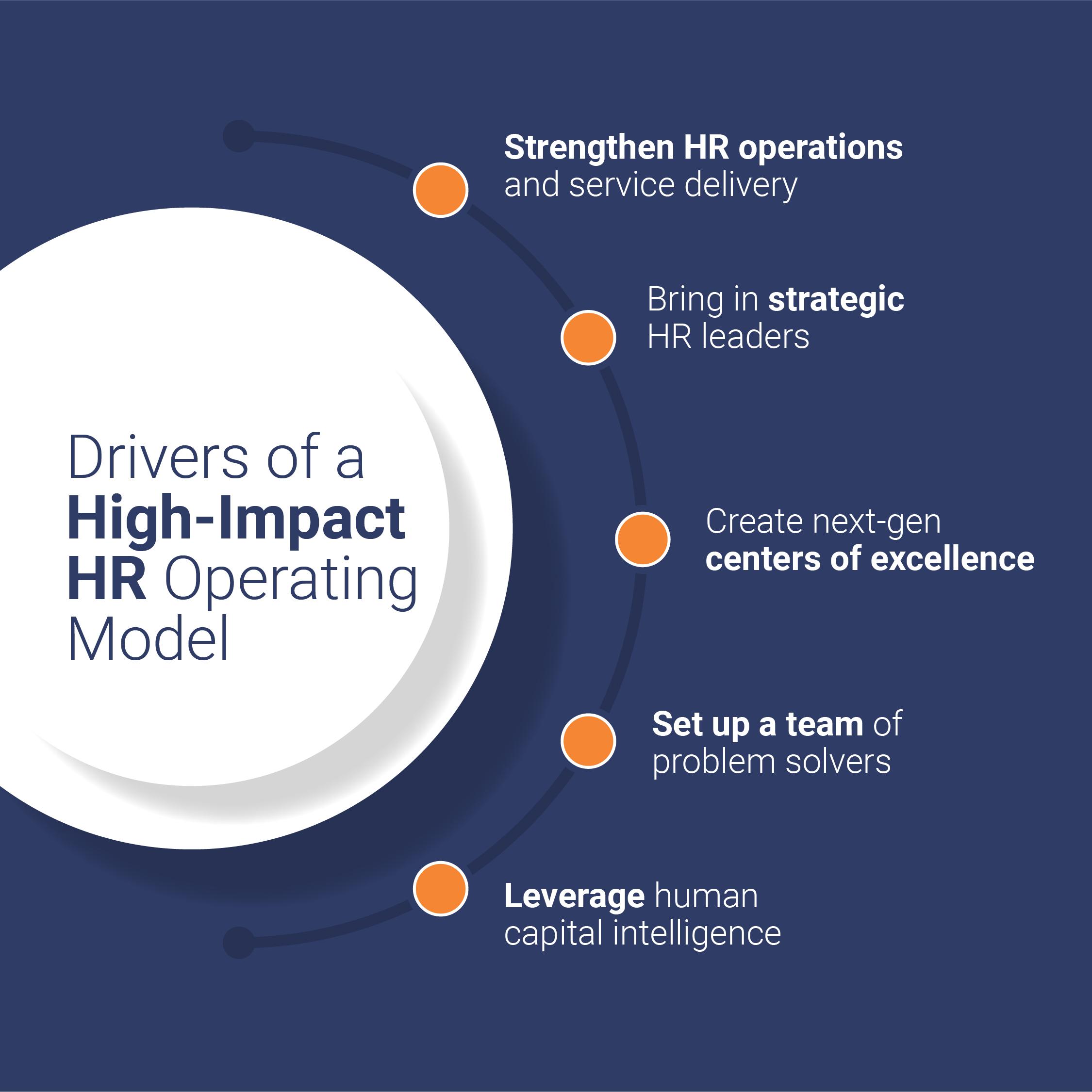
This comprehensive HR compensation training program transitions human resource professionals away from basic transactional payroll processing and elevates them into strategic architects of total rewards. Participants will dive deep into the mechanics of building legally compliant, internally equitable, and market-competitive salary structures and payroll systems. By mastering advanced compensation analysis methodologies and aligning financial incentives with organizational objectives, you will learn how to build a world-class compensation infrastructure that attracts elite talent, optimizes labor costs, and drives sustainable corporate profitability.
Course Objectives
By completing this advanced training masterclass, participants will be able to:
Architect Modern Reward Systems: Master the structural functions, strategic philosophies, and core components governing high-impact corporate reward frameworks.
Design Advanced Salary Structures: Confidently evaluate, implement, and manage diverse compensation layouts, including graded frameworks, broad-banded systems, pay spines, and job families.
Optimize Payroll Operations: Establish airtight compliance protocols, automate complex workflows, and eliminate risk across multi-tiered payroll systems.
Deploy Performance-Related Pay (PRP): Build evidence-based, performance-driven reward matrices that boost employee engagement without creating budgeting strain.
Structure Total Benefits Programs: Design holistic compensation architectures that blend competitive financial allowances, flexible benefits packages, and secure retirement plans.
Navigate International and Expatriate Rewards: Deconstruct the unique macroeconomic compliance variables, tax implications, and structural frameworks needed to manage cross-border workforce packages.
Formulate Executive Compensation Plans: Utilize advanced data tools to design executive reward strategies that align leadership incentives directly with shareholder interests.
Comprehensive 5-Day Course Outline
Day 1: The Strategic Architecture of Corporate Reward Systems
Defining Stakeholder Roles: Calibrating the distinct operational boundaries and strategic responsibilities between the HR team and line management within the compensation pipeline.
The Anatomy of Total Rewards: Deconstructing the structural pillars of a holistic rewards system, balancing basic financial cash compensation against non-financial motivators.
Macroeconomic Principles & Labor Dynamics: Evaluating the core economic concepts, labor market pressures, and competitive supply-and-demand variables that impact structural pay rates.
Corporate Philosophies & Policy Development: Crafting high-level corporate compensation policies and strategic frameworks aligned with overall business goals.
Strategic Risk Mitigation in Payroll: Auditing internal and external compliance pressures, statutory legal requirements, and technical risk vectors influencing standard operations.
Day 2: Advanced Design and Management of Salary Structures
Strategic Purpose of Pay Structures: Designing balanced frameworks that establish rock-solid internal equity while maintaining external market agility.
Traditional Graded Layouts: Structuring multi-level graded pay systems, defining step progressions, and determining optimal grade overlap boundaries.
Broad-Banding Application: Deploying broad-banded structural layers within modern corporate networks to encourage lateral skills expansion and organizational agility.
Job Families and Specialized Pay Systems: Architecting career pathways using tailored job family designs and distinct operational structures.
Quantitative Pay Curves & Pay Spines: Plotting mathematical pay spines and execution metrics to manage large-scale salary trajectories systematically.
System Integration Frameworks: Consolidating disparate compensation approaches into unified, transparently governed, and audit-ready organizational pay structures.
Day 3: Incentivizing High Performance: Individual and Team Reward Systems
Performance-Related Pay (PRP) Deep-Dive: Deconstructing the core mechanics, administrative rules, and design choices behind high-impact variable compensation models.
Behavioral Psychology & Motivation: Leveraging targeted cash incentives to unlock employee discretionary effort and drive bottom-line team performance.
Integrating Performance Management: Linking annual appraisal scores, objective key results (OKRs), and talent reviews directly with variable pay shifts.
Operational Blue-Collar Incentives: Designing targeted production, safety, and efficiency bonuses tailored for frontline operational workforces.
Skill and Competency-Based Systems: Transitioning compensation models away from rigid job titles and shifting toward rewarding continuous capability expansion.
Structuring Team and Enterprise Rewards: Balancing individual employee commissions against shared team bonuses to build a culture of shared success.
Day 4: Total Rewards Optimization: Benefits, Allowances, and Pensions
The Power of Non-Financial Rewards: Leveraging career development pathways, workplace autonomy, and meaningful recognition schemes to reduce employee turnover.
Strategic Allowance Configurations: Structuring fair shift differentials, overtime premiums, emergency call-out parameters, and standby allowances.
Modern Retirement Systems: Evaluating diverse corporate pension architectures, defined contribution paths, and multi-tier retirement planning models.
Total Benefits Program Development: Aligning employee well-being initiatives, medical insurance coverages, and corporate wellness perks with fiscal realities.
Deploying Flexible Cafeteria Benefits: Implementing automated web-based platforms that allow employees to customize their personal benefit mixes based on personal lifecycles.
Day 5: Cross-Border Mobility: Global, Expatriate, and Executive Compensation
Global Rewards Frameworks: Managing payroll tracking pipelines across diverse multi-jurisdictional geographic sectors.
Expatriate Compensation Systems: Balancing home-country versus host-country pricing architectures to structure fair relocation and assignment packages.
Balance Sheet Methodology: Applying quantitative methods to handle foreign tax equalization adjustments, cost-of-living allowances (COLA), and standard mobility allowances.
Executive Compensation Architecture: Designing high-level packages combining short-term performance bonuses, long-term equity grants (RSUs/Stock Options), and clawback policies.
Capstone Consolidation Workshop: Executing real-world corporate compensation analysis exercises followed by building individualized professional development roadmaps.
Why Attend This Course: Wins & Losses
The Strategic Wins (What You Gain):
Data-Backed Strategy Execution: The analytical tools required to execute professional compensation analysis, ensuring your payroll budgets are directly linked to real business outputs.
Optimized Variable Motivation: The ability to craft performance-related pay metrics that drive measurable workforce productivity without exposing your cash balances to unforeseen risk.
Elite Talent Attraction: The knowledge to build highly competitive salary structures that insulate your business from losing top performers to market competitors.
Secure Corporate Governance: The legal and tactical expertise required to handle high-stakes executive compensation designs that satisfy board directors and audit oversight teams.
Seamless Cross-Border Operations: The operational models needed to structure reliable international and expatriate reward structures, mitigating multi-currency volatility and compliance surprises.
The Deficiencies Eliminated (What You Lose):
Reactive Financial Creep: No more navigating uncoordinated, ad-hoc salary increases that slowly inflate operational expenditure budgets and erode profitability.
Damaging Internal Pay Inequity: Eliminating the hidden structural pay disparities across teams that lead to toxic office politics, low employee engagement, and expensive turnover.
Manual Compliance Vulnerabilities: Shifting away from fragile, error-prone manual spreadsheets and transitioning toward structured, secure digital operations.
Stale Reward Archetypes: Moving past outdated, one-size-fits-all remuneration packages that fail to motivate modern, diverse multi-generational talent pools.
Conclusion
At the end of the day, an organization's bottom line is directly tied to how effectively it manages its payroll investments. A poorly constructed reward system will actively drive away your most valuable professionals, while an optimized system functions as a powerful engine for organizational growth.
The Compensation Packages and Payroll Structure training masterclass gives you the advanced quantitative frameworks, strategic policies, and regulatory tools required to permanently upgrade your corporate compensation infrastructure. This is not a passive lecture series centered on abstract human resource theories; it is a highly tactical, execution-focused training program designed to transform how your enterprise manages, values, and rewards its people.
FAQ
What is the difference between standard payroll processing and strategic compensation management?
Payroll processing is a tactical, administrative function focused entirely on the accurate execution of transactional calculations, monthly deductions, timecard matching, and immediate regulatory tax filings. Strategic compensation management is a proactive business function focused on designing long-term total reward frameworks, executing market-wide compensation analysis, tracking internal equity metrics, and structuring performance incentives to optimize labor expenditures and maximize employee retention.
How does broad-banding enhance corporate salary structures?
Broad-banding consolidates numerous narrow, traditional salary grades into a few wide bands with significant salary ranges. This framework reduces administrative hierarchy, simplifies job grading metrics, gives line managers more flexibility to reward standout performance, and encourages employees to pursue lateral skill development and internal cross-training rather than focusing solely on vertical job promotions.
Who should enroll in this advanced HR compensation training program?
This professional masterclass is custom-tailored for HR directors, compensation and benefits analysts, corporate payroll managers, talent acquisition supervisors, human capital auditors, finance directors, and mid-to-senior operations leaders across both the public and private sectors who are responsible for managing corporate spend, structuring employee reward frameworks, and protecting organizational profitability.
Upcoming sessions
| City | Country | Date & time | Price | |
|---|---|---|---|---|
| Istanbul | Turkey | To be announced | £4,200.00 | Register now |
| Amman | Jordan | To be announced | £4,200.00 | Register now |
| Dubai | UAE | To be announced | £4,200.00 | Register now |
| Kuala Lumpur | Malaysia | To be announced | £4,200.00 | Register now |
| Cairo | Egypt | To be announced | £4,200.00 | Register now |
| Casablanca | Morocco | To be announced | £4,200.00 | Register now |
| Cape Town | South Africa | To be announced | £4,200.00 | Register now |
| Amsterdam | Netherlands | To be announced | £5,200.00 | Register now |
| Barcelona | Spain | To be announced | £5,200.00 | Register now |
| Paris | France | To be announced | £5,200.00 | Register now |
| Madrid | Spain | To be announced | £5,200.00 | Register now |
| Rome | Italy | To be announced | £5,200.00 | Register now |
| London | UK | To be announced | £5,400.00 | Register now |